

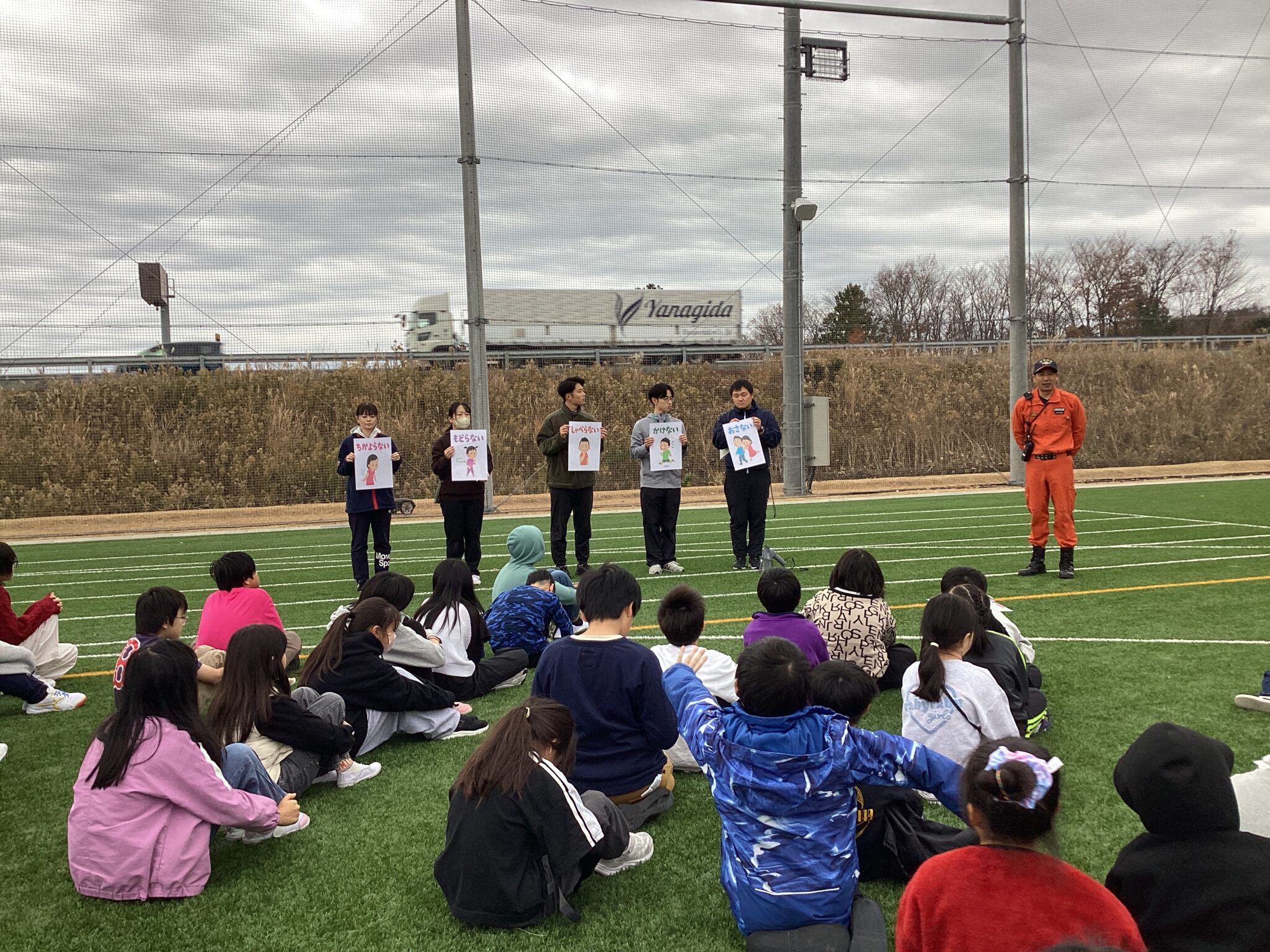
We conducted an evacuation drill based on the scenario of a fire breaking out—this time without any prior notice. The alarm sounded during the break after the first period. Only a few students happened to be with their teachers or classmates; most were acting independently, such as taking a restroom break or going to their lockers.
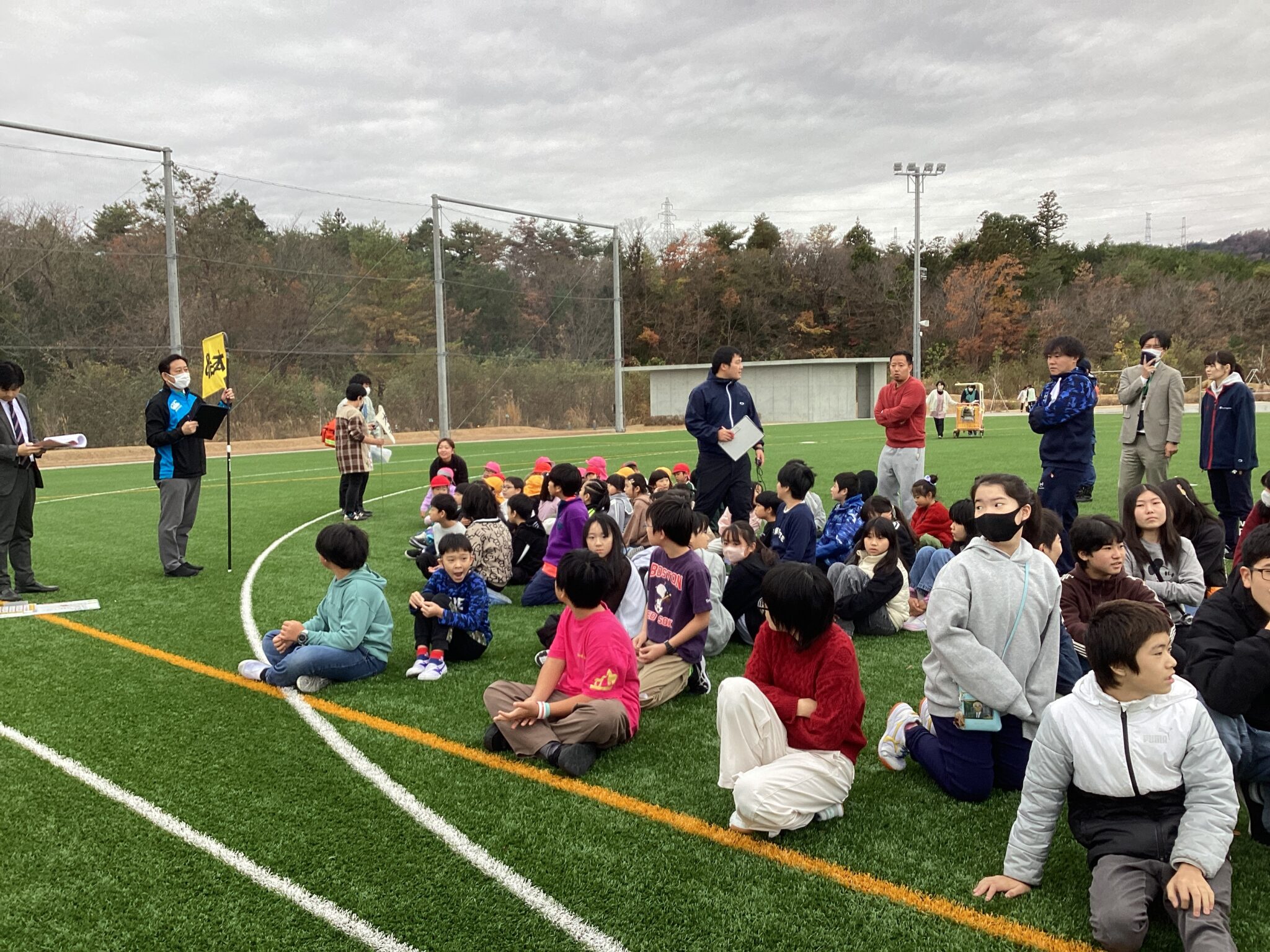
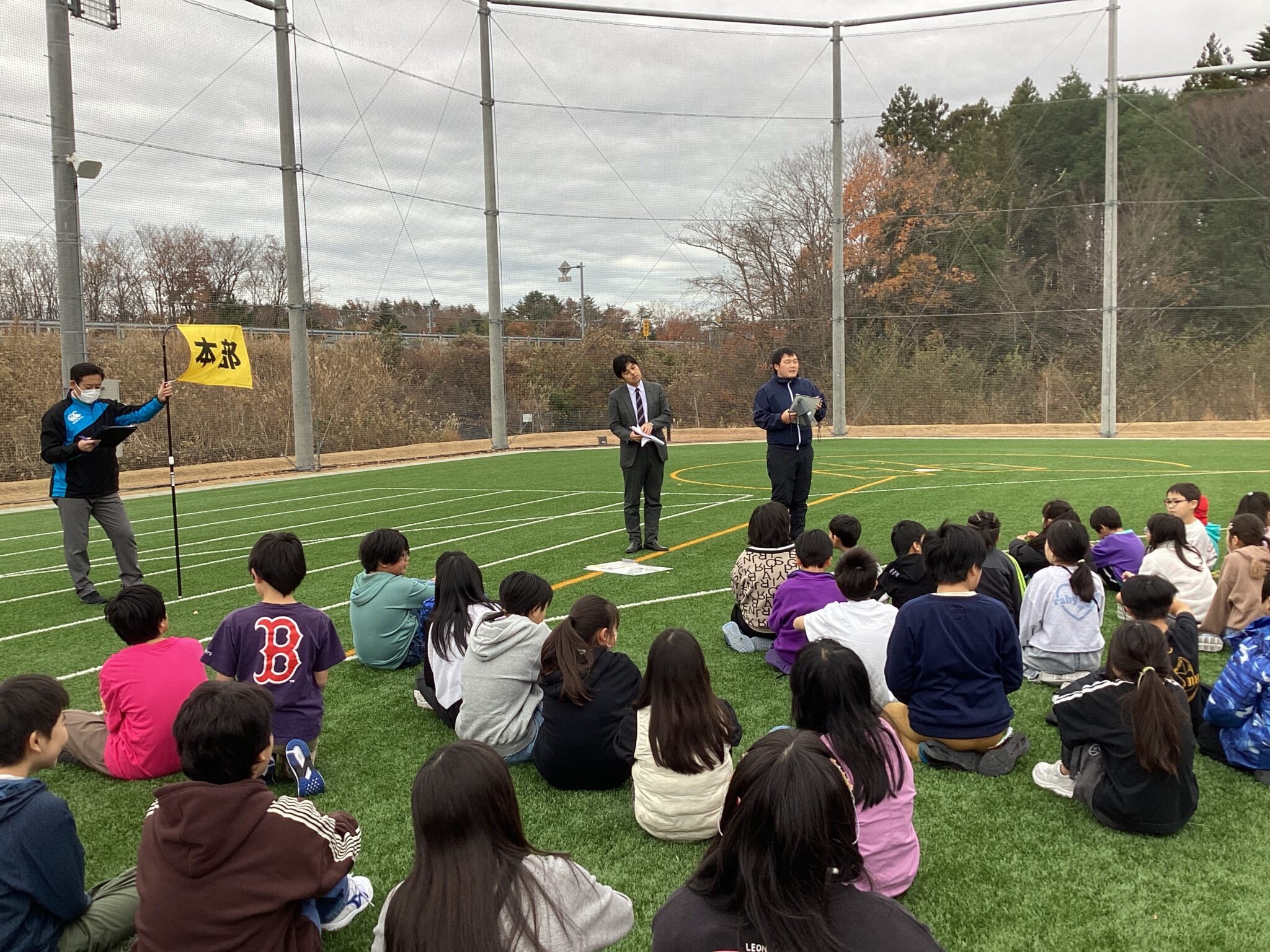
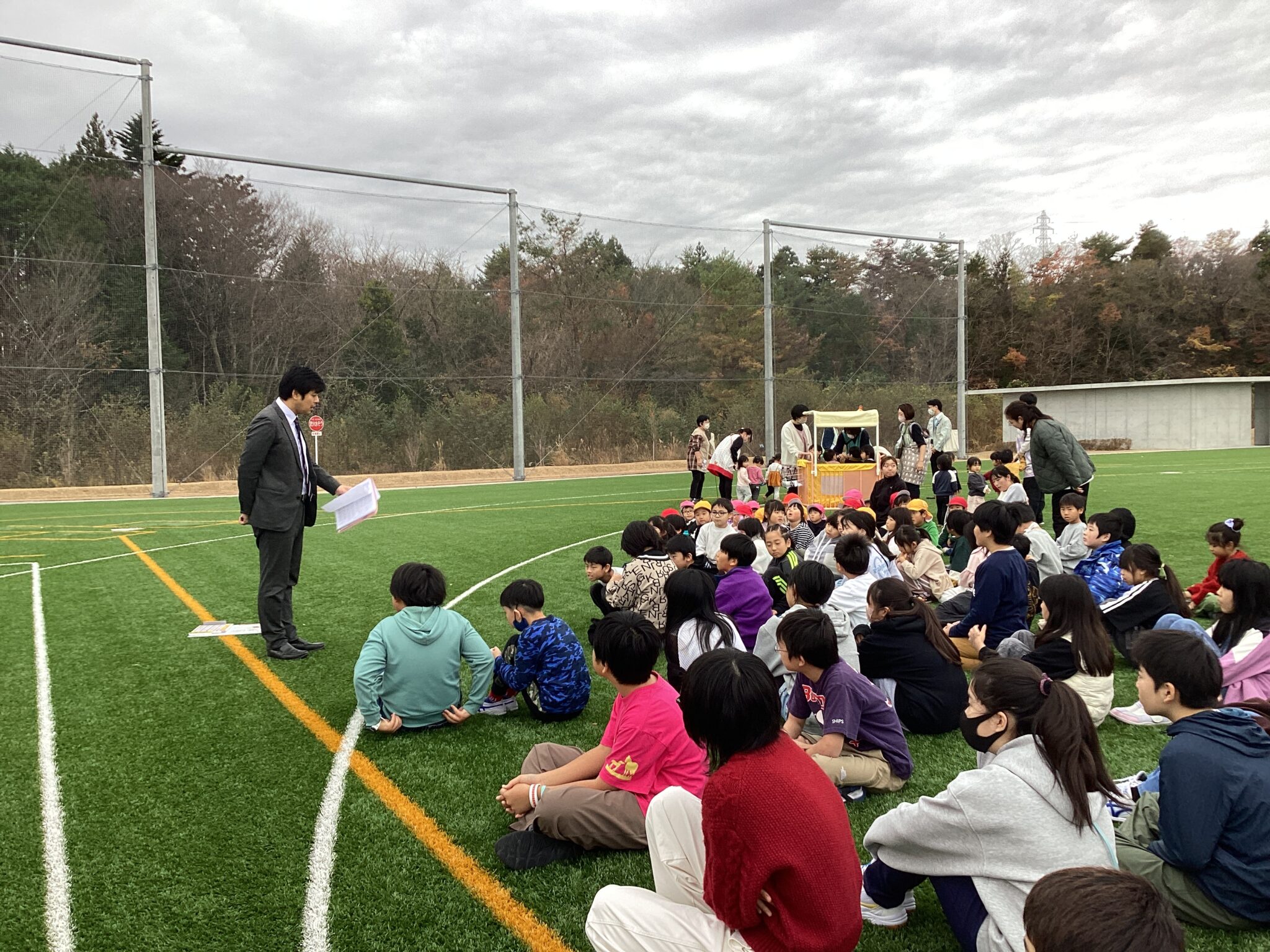
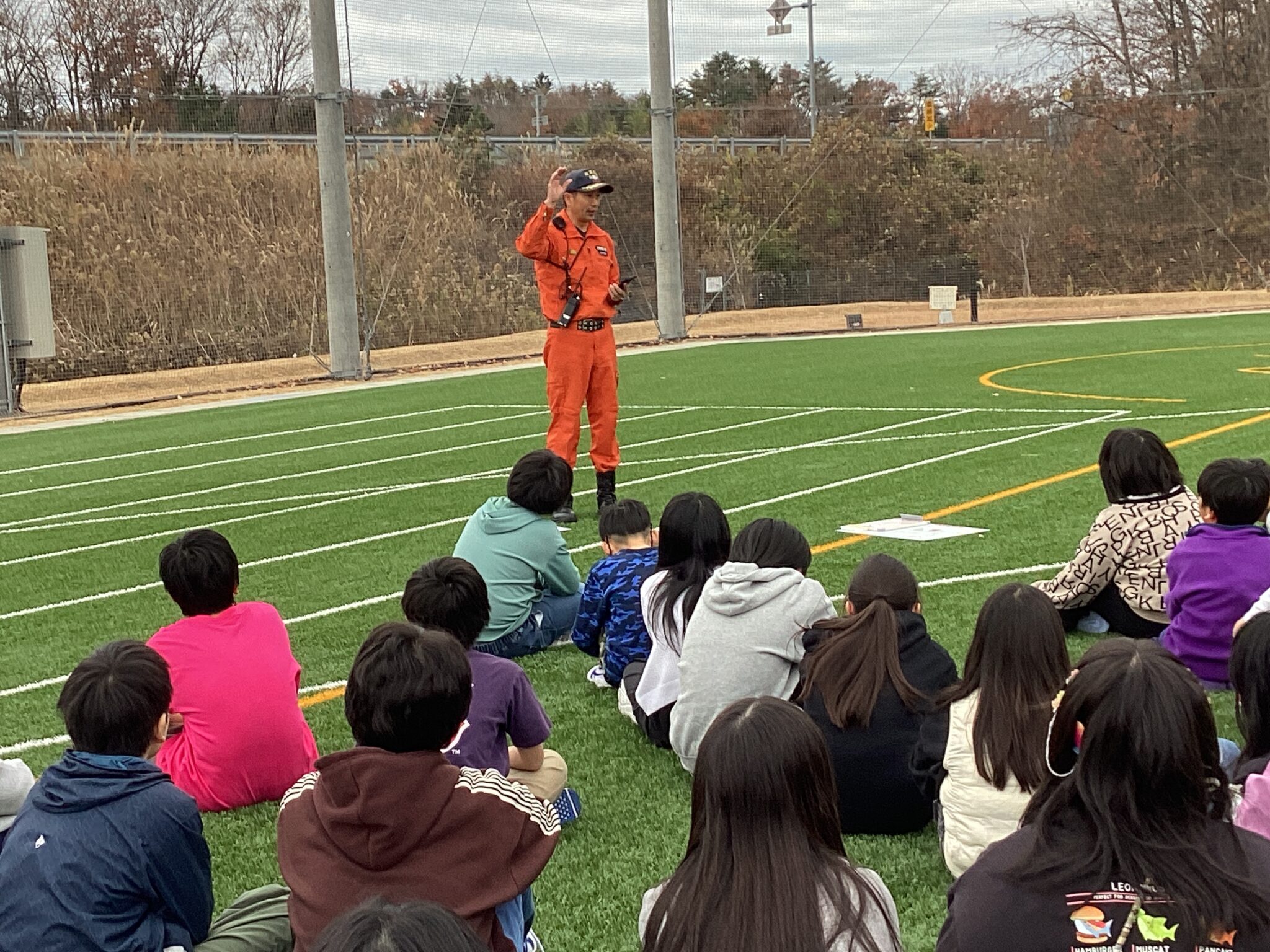
Two minutes after the initial alarm, an announcement instructing evacuation was made, and students began moving to the schoolyard. It took approximately four minutes for the entire school to evacuate.
Disasters can strike at any time and in any place. We want to be able to take immediate action to protect ourselves.
Message from the GM:
“Were you able to evacuate seriously and promptly? In a real emergency, there is no extra time. Are you looking out for your friends and classmates? To help one another stay safe, I’d like us to talk about what we learned from this drill. Your lives are the most important thing. Let’s take another look at how we can protect ourselves.”
Message from the Firefighters of the Tomioka Fire Department:
“There are important things to remember when evacuating. They are the ‘OKASHIMOCHI’ rules.”
- O – Don’t push (Osanai)
- KA – Don’t run unnecessarily (Kakenai)
- SHI – Don’t talk (Shaberanai)
- MO – Don’t go back (Modoranai)
- CHI – Don’t get close to danger (Chikayoranai)
“These rules help ensure a calm and safe evacuation. Stay quiet so you can hear the announcements telling you where to go. And never go back for forgotten items—your life is more important. Stay away from fire and smoke.
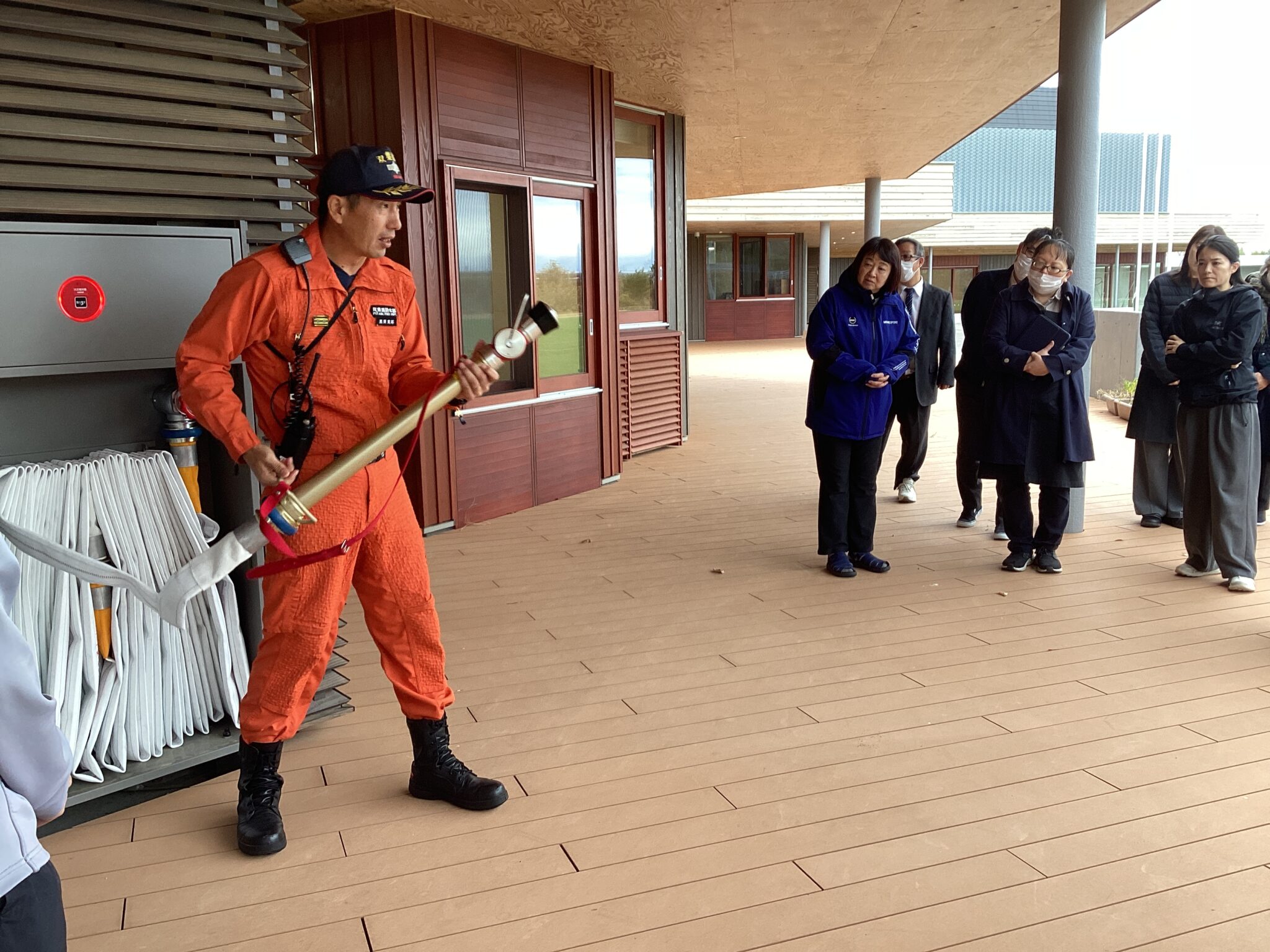
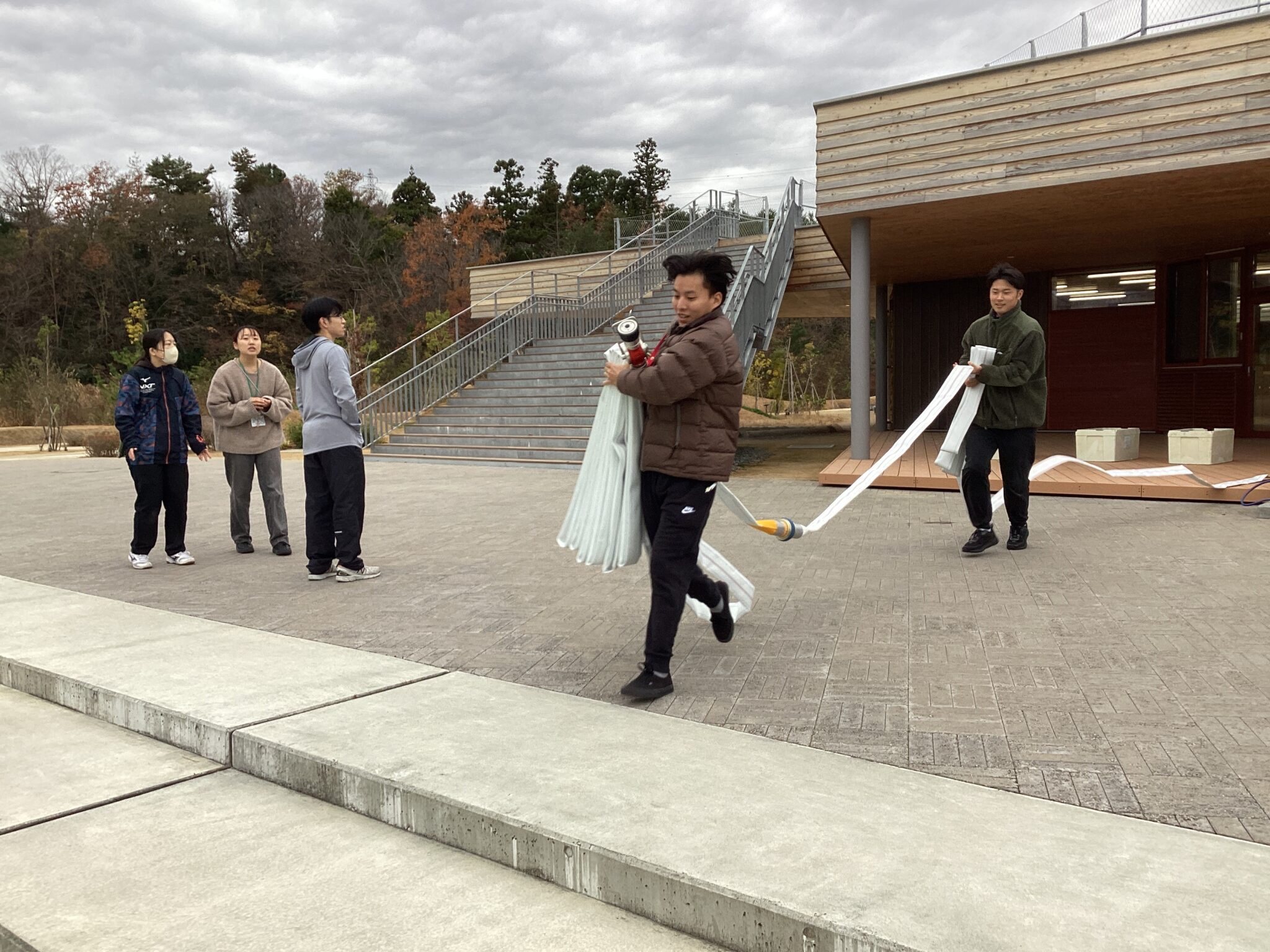
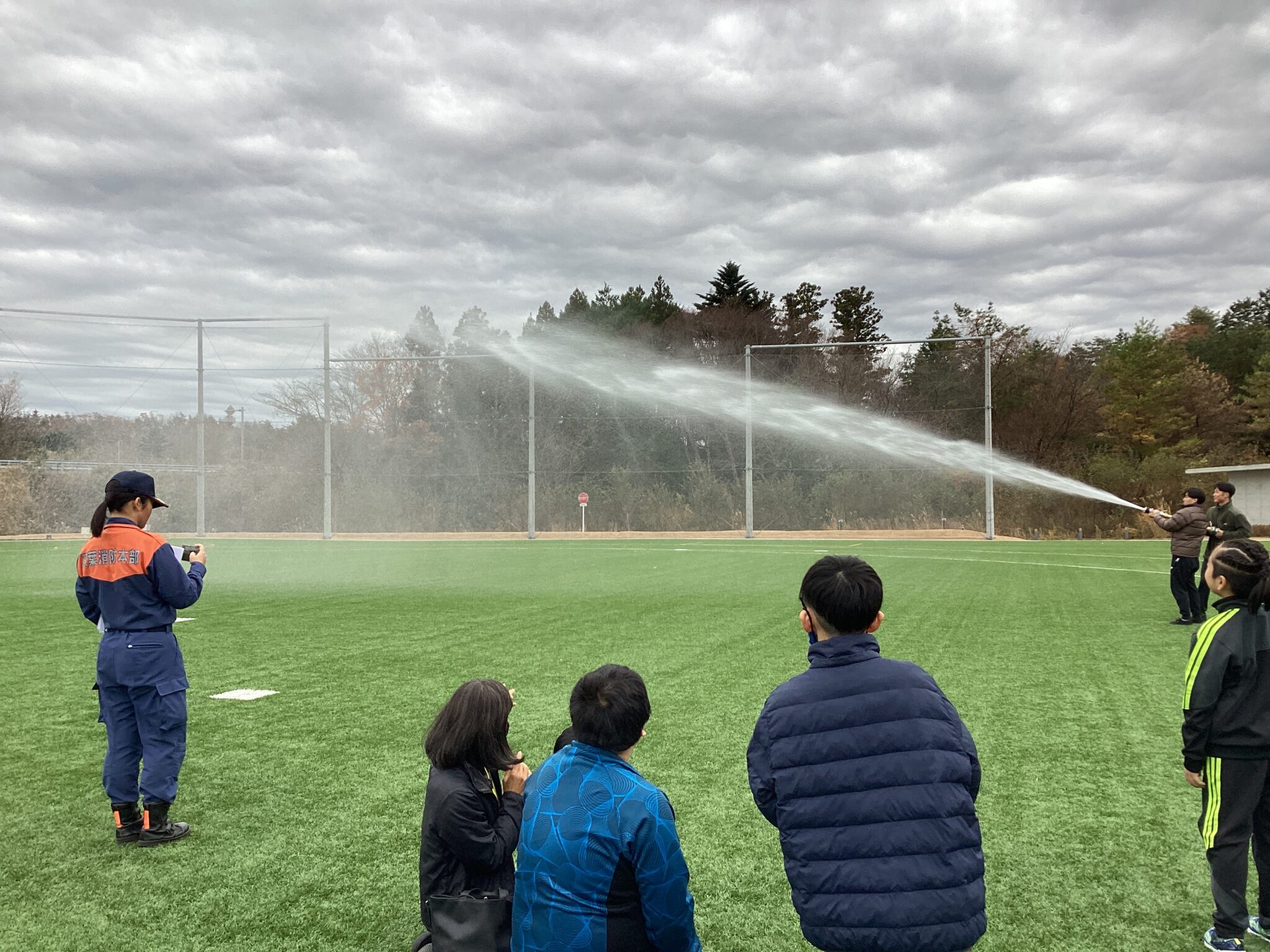

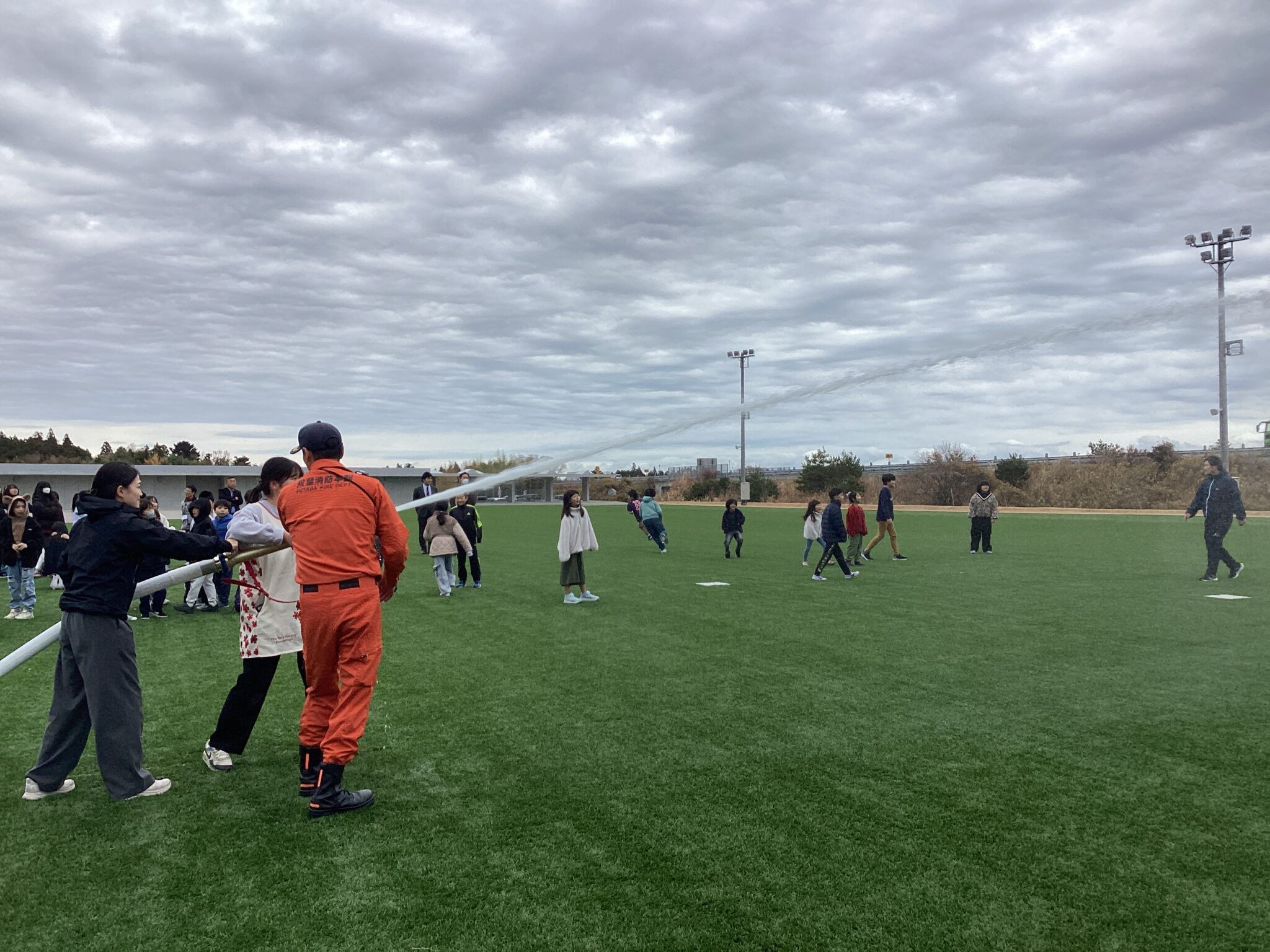
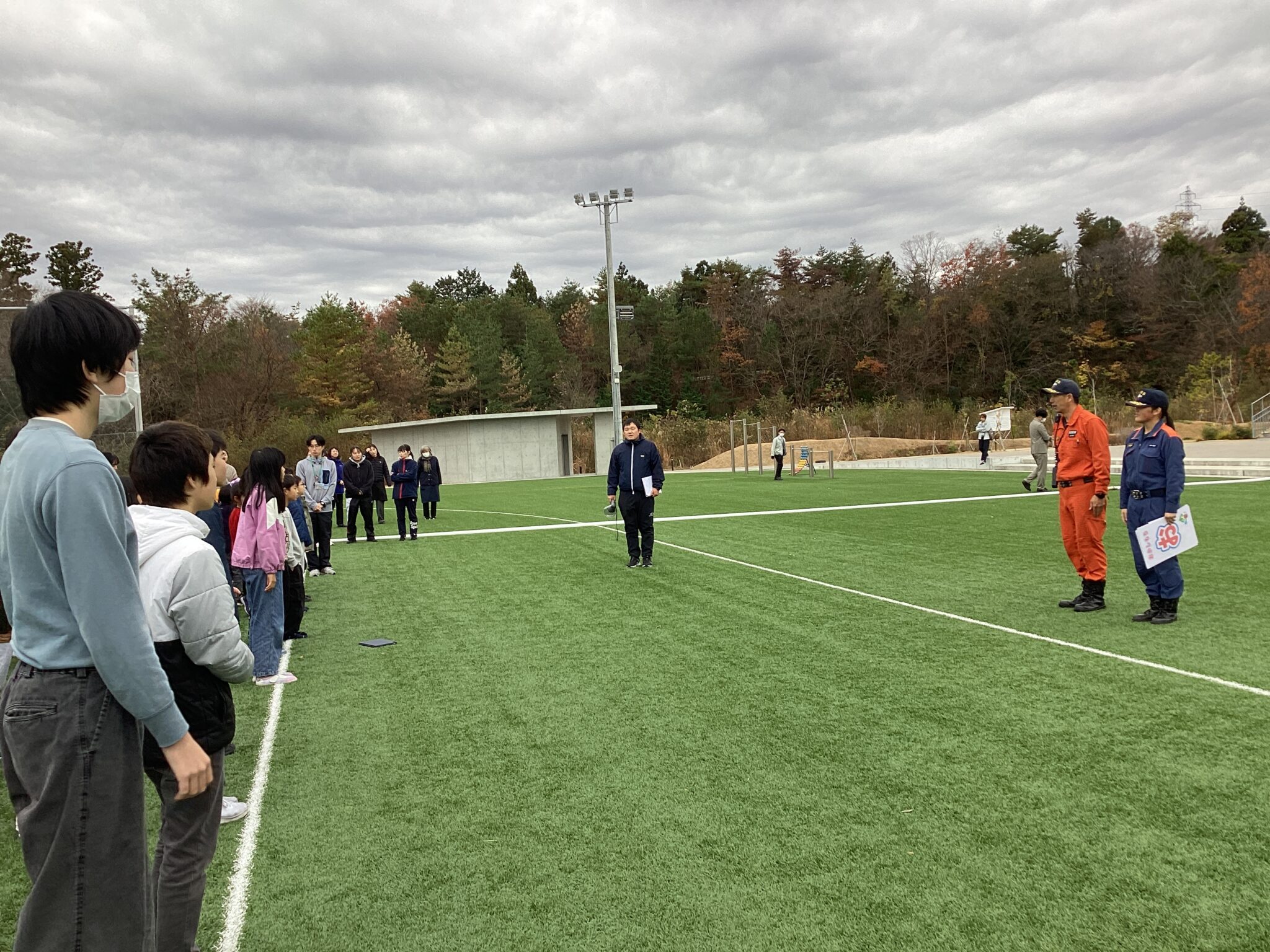
After the talk, firefighters taught us how to use a fire hydrant. Teachers practiced extending the hose safely and operating the nozzle for spraying water. The hose is heavy and has strong recoil, so it must be handled by two or three people.
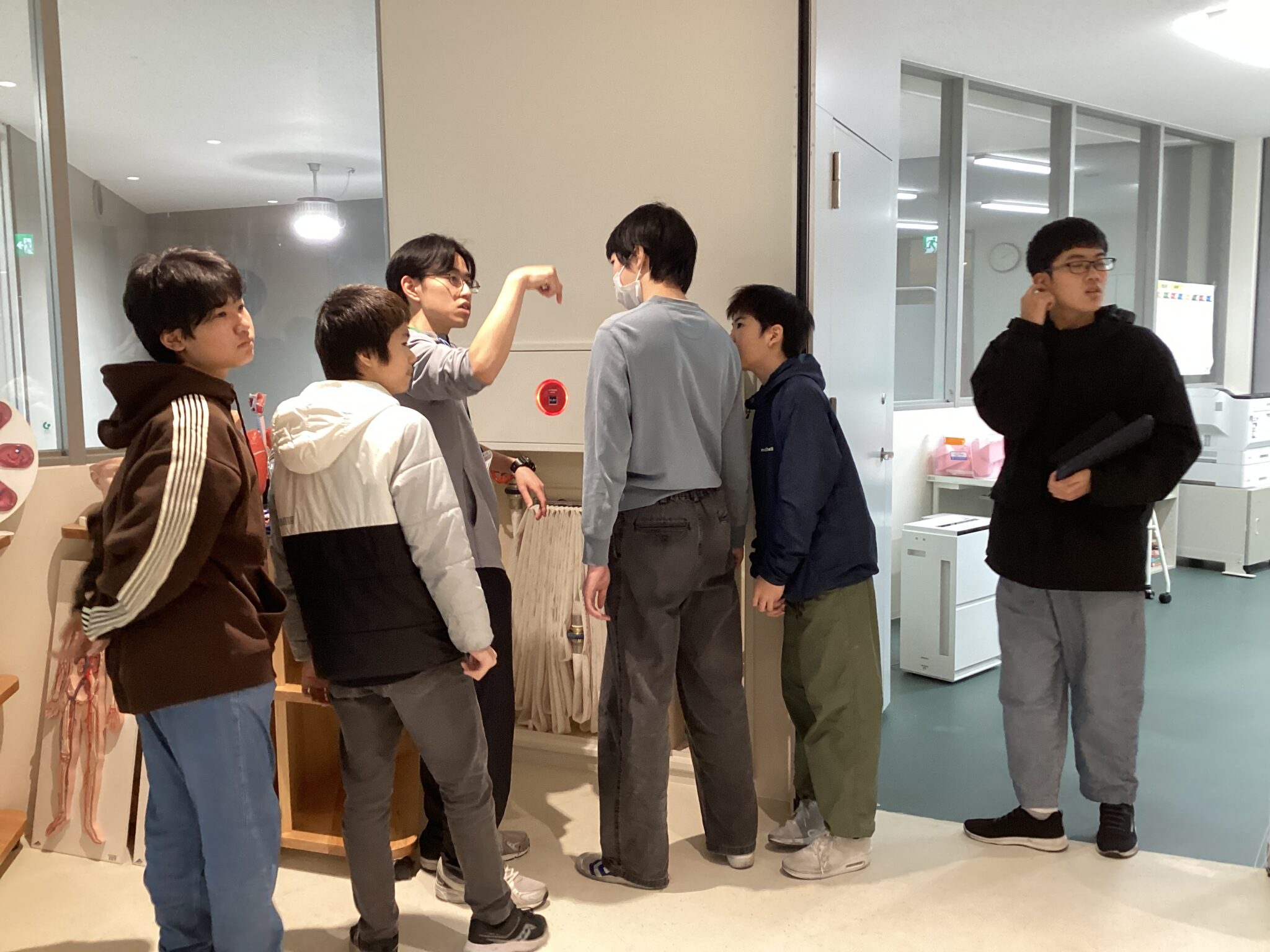
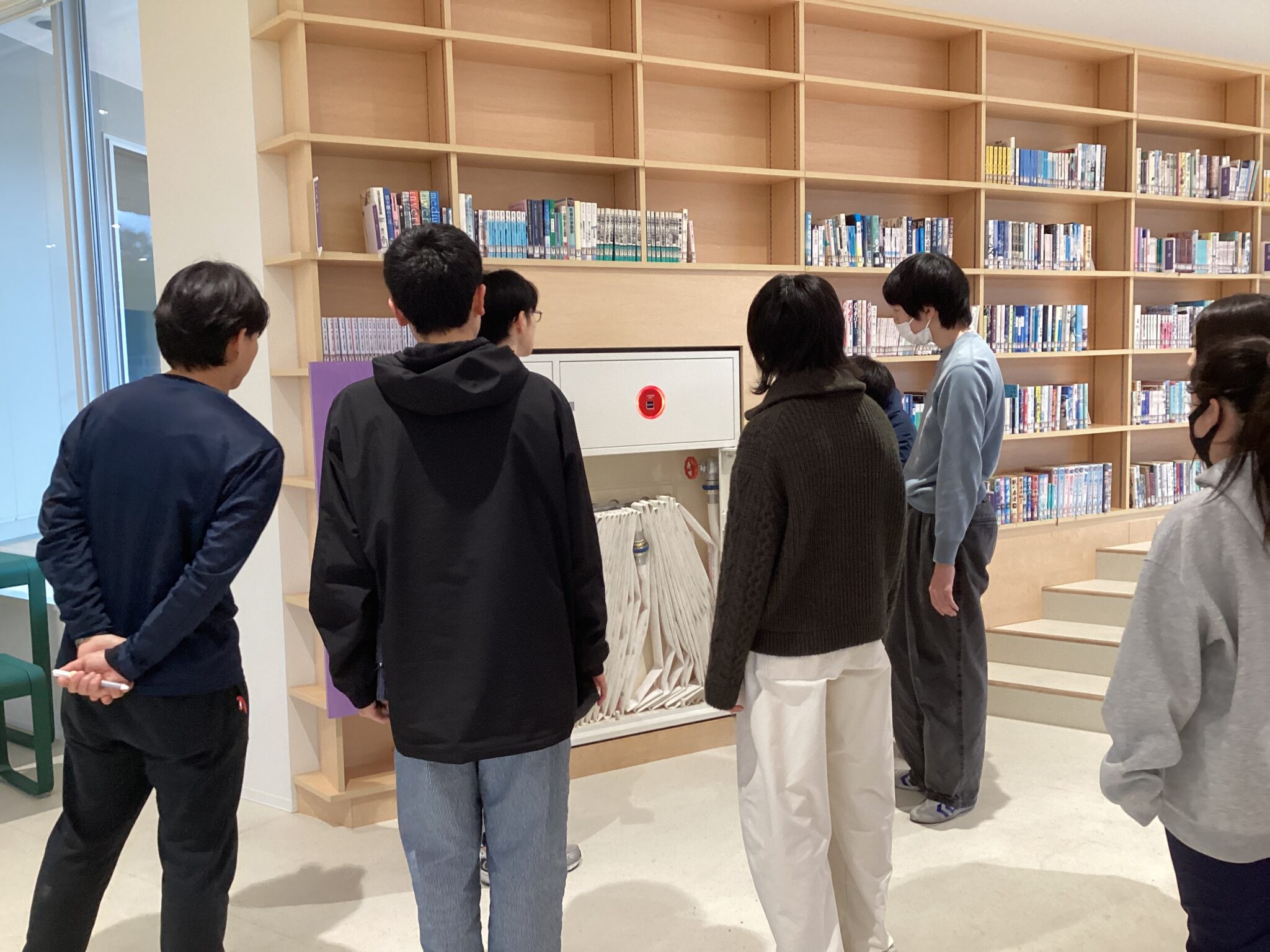
After the water-spraying practice, we returned to the school building and checked the locations of the fire hydrants.
Student Reflections
- “I want to be able to escape safely at any time.”
- “I was surprised to hear from a teacher that the hose is heavy and requires strength.”
- “Because the drill was unannounced, it took longer to get outside than the last time.”
- “Since it was “just a drill,” I relaxed, walked slowly, and chatted with my friends. That made me worry whether I could really escape in an actual emergency. I will take it more seriously next time.”
- “I want to improve my evacuation speed. I hope to respond better even when there is no warning.”
- “I realized how important drills are because they help us in real emergencies.”


